Clear Cloudy Pool Water After a Storm: Fast Recovery Guide

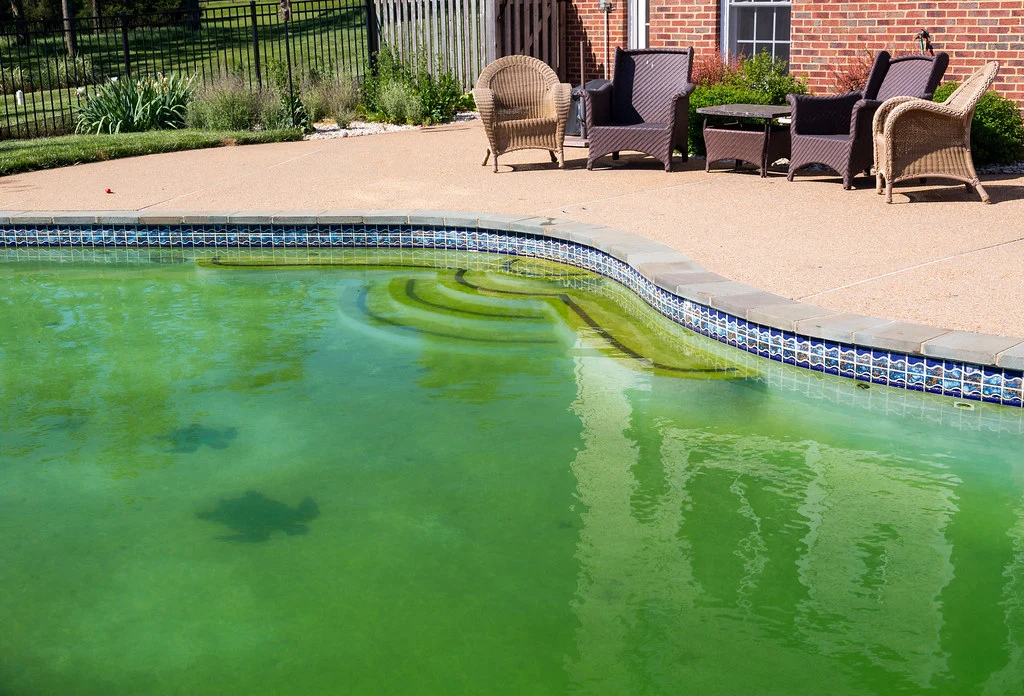
Heavy rain can change the condition of your swimming pool within hours. Leaves, soil, pollen, and other contaminants may enter the water, while changes in sanitizer levels can affect water quality. If your pool looks hazy after a storm, understanding the cause helps you choose the right recovery steps instead of adding chemicals without testing.
Gosling Pool Maintenance helps homeowners in Conroe, Texas, understand the maintenance factors that affect clean and balanced pool water. A storm does not always mean your pool needs extensive treatment. Removing debris, checking the filtration system, and testing the water can help you identify what needs attention before the next swim.
Rain introduces more than water into a swimming pool. Wind can carry dust, pollen, and plant material into the water, while runoff may bring soil from nearby landscaping. These particles can remain suspended and make the pool appear dull or milky. The amount of cloudiness often depends on the storm’s intensity and the condition of the pool before rainfall.
Heavy rain can also affect water chemistry. Contaminants increase chlorine demand, and changes in water balance may interfere with sanitizer performance. If chlorine levels fall too low, algae can begin developing under suitable conditions. Testing the water helps distinguish a chemistry problem from suspended dirt or a filtration issue.
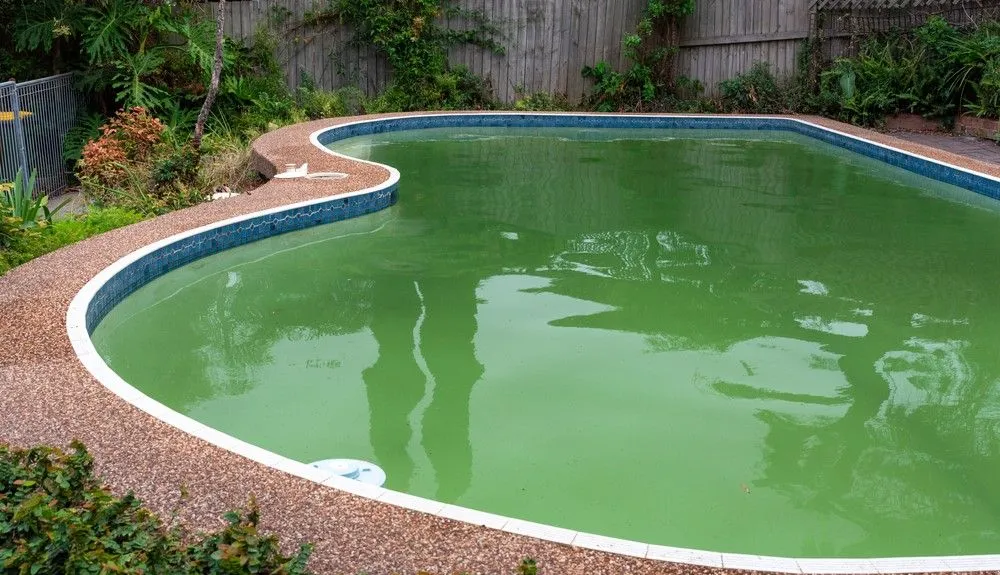
Start by examining the pool from a safe position. Look for floating leaves, dirt along the floor, unusual discoloration, or visible algae. Check whether water is moving normally through the returns and whether the pump basket contains debris. These observations can help you identify potential problems before choosing a treatment.
Cloudiness that continues after visible debris has been removed may point to fine suspended particles, an overloaded filter, or unbalanced water chemistry. Green water may indicate algae, although discoloration can have other causes. If you cannot see the pool bottom clearly, keep swimmers out until the water has been assessed and safe conditions are restored.
Begin recovery by removing leaves, twigs, insects, and other material from the pool surface. Empty the skimmer and pump baskets according to the equipment instructions. If dirt has settled on the floor, use a suitable pool vacuum. Removing larger debris first reduces the load placed on the filtration system and makes the remaining water easier to manage.
Brush the walls, steps, and corners where fine dirt may collect. Avoid stirring up heavy sediment unnecessarily, especially when visibility is poor. If runoff from the yard has entered the pool, inspect the surrounding area for possible contamination. Significant flooding or suspected sewage contamination requires more than ordinary cleanup, so seek qualified guidance before reopening the pool.
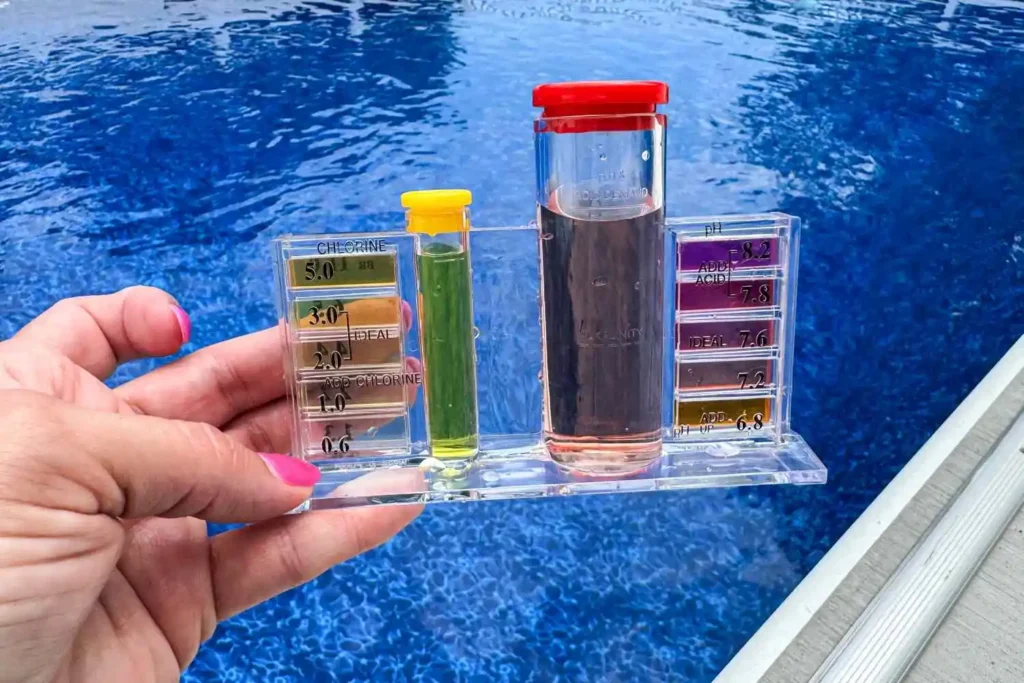
Water testing should guide your next steps. Check free chlorine and pH with a suitable test kit, then assess total alkalinity and stabilizer levels when needed. The correct readings depend on your pool’s sanitation system and product instructions. Testing gives you a starting point and helps prevent unnecessary chemical additions that could create further imbalances.
Maintaining the proper pool pH balance after rain supports effective sanitation. Follow the recommendations for your particular pool and adjust the water gradually according to product directions. Never combine chemicals directly or guess the dosage. After treatment, allow the water to circulate as directed and retest to confirm that the readings are moving toward the recommended ranges.
Pool shock may be appropriate when testing indicates depleted sanitizer or when algae and organic contamination require stronger treatment. However, every storm does not automatically call for shock treatment. The correct decision depends on the water readings, the type of contamination, the pool volume, and the instructions supplied with the product.
If you need to shock a pool after heavy rain, follow the label carefully and keep swimmers out during treatment. Never mix shock products with other chemicals or apply multiple treatments without checking compatibility. Once the required waiting period has passed, test the water again. Swimming should resume only when the water is clear and the chemical readings meet the applicable safety recommendations.
Your filter removes particles that remain after surface cleaning and vacuuming. Storm debris can increase filter pressure or restrict water flow, making it harder for the system to clear the pool. Check the pressure gauge against the normal clean-filter reading and inspect the pump basket, skimmer, and return flow for signs of blockage.
Pool filter cleaning after a storm depends on the equipment installed. Cartridge filters generally require removal and rinsing, sand filters may need backwashing, and diatomaceous earth systems have their own maintenance requirements. Turn off the equipment and follow the manufacturer’s safety instructions before opening any filter. A damaged or persistently obstructed system should be assessed before normal operation continues.
Recovery time depends on the severity of the cloudiness, the filter’s condition, the pool’s size, and the chemical balance. Mild cloudiness may improve within a day when circulation and water chemistry are appropriate. Pools affected by algae, heavy sediment, or equipment problems may need several days or longer to recover.
Running the pool pump for an extended period can help the filter remove suspended particles. Some pools may benefit from continuous circulation during recovery, provided the equipment is designed for that operation. Monitor filter pressure and water flow rather than relying on a fixed number of hours. Retest the water and clean the filter when required.
Routine maintenance can reduce the amount of cleanup needed after severe weather. Keep skimmer baskets clear, maintain the filtration system, and check sanitizer levels regularly. Trim overhanging branches when practical and secure loose items around the pool before a storm. These measures reduce the amount of debris entering the water and help keep equipment operating properly.
After rainfall, inspect the pool before swimming. Remove visible debris, test the water, and confirm that circulation is working as expected. Gosling Pool Maintenance supports homeowners in Conroe with ongoing pool care, including water testing, chemical balancing, filter cleaning, and debris removal. Regular attention to these tasks can make recovery easier when the next storm passes through the area.
Yes. Rain can carry dust, pollen, and other fine particles into the water. It can also affect sanitizer levels and water balance. The resulting cloudiness may improve with proper filtration and chemistry adjustments, but persistent problems need further investigation.
A pool clarifier may help a functioning filter capture fine suspended particles after the water chemistry has been checked. It will not correct inadequate sanitation, algae growth, or a faulty filter. Follow the product label and avoid adding extra clarifier if the water does not respond as expected.
Do not swim when cloudiness prevents you from seeing the pool bottom clearly. Poor visibility creates a safety risk, and cloudiness may indicate a sanitation or contamination problem. Restore clarity, verify the chemical readings, and address any known contamination before allowing swimmers back into the pool.
Clearing cloudy water after a storm starts with identifying the problem, removing debris, testing the chemistry, and checking the filtration system. Each step serves a purpose, and the order matters. Adding chemicals without testing or ignoring a restricted filter can prolong recovery and leave the underlying cause unresolved.
Gosling Pool Maintenance helps Conroe homeowners maintain cleaner, better-balanced pool water through practical maintenance and careful attention to equipment and water conditions. If your pool remains cloudy despite cleanup and appropriate treatment, professional assistance can help identify what is preventing recovery.
Contact Gosling Pool Maintenance to discuss your pool’s condition and arrange the maintenance it needs. Call +1 936-283-7012 or schedule a service. Whether you need pool water testing, chemical balancing, pool filter cleaning, debris removal, or regular pool cleaning, addressing the problem early can help you return to clear water with greater confidence.
Gosling Pool Maintenance offers professional pool care across Conroe and The Woodlands, TX. Call us today to schedule your service.
Enjoy Our Service
Gosling Pool Maintenance is a licensed, family-owned pool cleaning and maintenance company serving Conroe, The Woodlands, and nearby areas in Texas.
Subscribe to our newsletter for helpful pool maintenance tips, seasonal care advice, service updates, and exclusive news from Gosling Pool Maintenance.