Clear Cloudy Pool Water After a Storm: Fast Recovery Guide

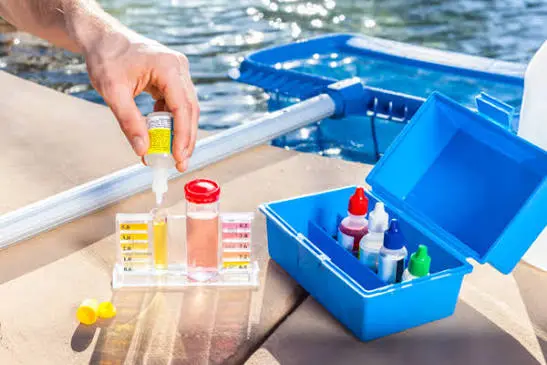
Maintaining clear water in your swimming pool requires steady attention. Every owner wants crystal clear water without spending hours on testing procedures. Learning how often to test pool water prevents sudden balance issues, keeps swimmers safe, and protects expensive pool surface materials from permanent chemical etching or scale damage.
Regular testing acts as an early warning system for your backyard swimming pool. Water conditions change rapidly due to sunlight exposure, heavy rain, and frequent swimmer use. Gosling Pool Maintenance helps homeowners track these chemical shifts before they spiral into full blown algae breakouts or cloudy water problems.
Your primary focus should center on sanitation and acidity levels. Check your free chlorine and pH parameters two to three times every week. During hot summer months, daily checks become necessary because strong sunlight breaks down free chlorine rapidly, leaving pool surfaces completely unprotected.
Total alkalinity stabilizes your acidity readings and requires testing once every week. When alkalinity drops out of the target range, your pH readings bounce wildly. Checking these primary factors weekly keeps your water smooth, clear, and comfortable for anyone taking a dip.
Cyanuric acid protects chlorine from harsh ultraviolet rays. Test your cyanuric acid levels once or twice a month to ensure your stabilizer remains balanced. Too much stabilizer prevents chlorine from sanitizing properly, while too little allows solar rays to burn off your chemical investment quickly.
Calcium hardness measures the amount of dissolved minerals in your water volume. Test calcium levels once a month to prevent scaling on tile lines or plaster deterioration. Monthly checks offer enough tracking to catch gradual mineral shifts before severe structural issues develop.
Homeowners usually select between basic test strips and liquid drop testing kits for standard analysis. Test strips offer speed and simplicity for quick midweek checks. You simply dip a strip underwater, pull it out immediately, and compare the color pads against the product container chart.
Liquid drop testing kits require slightly more effort but deliver far higher precision. Dropping specific reagents into a water sample yields exact measurements, which helps resolve confusing chemical problems. The technicians at Gosling Pool Maintenance often rely on these detailed tests to diagnose tricky balance issues quickly.
Standard schedules need quick adjustments after unusual environmental events. Heavy rainfall dilutes chemical concentrations, introduces organic debris, and lowers overall pH levels. Running a full testing panel right after severe weather helps restore your proper baseline before algae takes hold.
Pool parties and heavy swimmer loads consume free chlorine at rapid rates. High organic waste levels drop your sanitizer reserves to zero quickly. Testing your pool right after hosting a gathering reveals exactly how much shock your system needs to stay sanitized.
Allow proper circulation time after adding fresh chemicals to your system. Wait roughly four to six hours after adding liquid chlorine before retesting. If you apply a heavy shock treatment or major pH adjusters, wait twenty four hours to ensure accurate readings.
Saltwater pools require unique chemical monitoring schedules compared to standard chlorine systems. You still need to test free chlorine and pH levels two to three times weekly. Salt cell generators produce chlorine continuously, making frequent checks vital to prevent hidden over-chlorination.
Check your salinity levels once every month using dedicated salt test strips or digital meters. Salt cell equipment relies on specific salinity ranges to manufacture chlorine efficiently. Testing monthly protects your expensive salt cell hardware from scaling, premature wear, or total system shutdown.
Delaying pool filter cleaning services does more than dull water clarity. A clogged filter forces your pump to work harder against restricted flow, which raises energy use and shortens motor lifespan over time.
Algae growth becomes far more likely once filtration slows, since the system can no longer keep pace with organic buildup. What starts as a minor maintenance delay can turn into a full algae treatment or filter media replacement, both of which cost more time and effort than routine cleaning would have.
Sampling location impacts test accuracy significantly. Never gather water samples near return jets or skim baskets where fresh chemicals concentrate. Reach down to your elbow depth in open water to pull a clean sample that represents your actual pool volume.
Expired chemical reagents and heat damaged test strips lead directly to inaccurate readings. Gosling Pool Maintenance recommends storing your testing supplies in a cool, dark place inside your home rather than hot sheds. Fresh testing materials ensure accurate measurements every time you check your water.
Keeping track of chemical balance, salt levels, and parameter adjustments takes time and effort. When life gets busy, balance issues can quickly lead to cloudy water or green algae growth. Gosling Pool Maintenance offers reliable pool care to keep your swimming pool safe and inviting.
Our team handles routine water analysis, chemical additions, equipment inspections, and filter cleaning. We eliminate the guesswork from pool ownership so you can enjoy clean water without stressing over complex testing routines. From simple chemical balancing to complete pool maintenance services, we protect your pool surface and equipment year round.
If you are dealing with persistent water balance problems or want hassle-free weekly care, let our experienced professionals help. Gosling Pool Maintenance serves residential property owners throughout The Woodlands, TX and nearby cities. Contact Gosling Pool Maintenance at (936) 283-7012 today to schedule your professional pool maintenance service.
Gosling Pool Maintenance offers professional pool care across Conroe and The Woodlands, TX. Call us today to schedule your service.
Enjoy Our Service
Gosling Pool Maintenance is a licensed, family-owned pool cleaning and maintenance company serving Conroe, The Woodlands, and nearby areas in Texas.
Subscribe to our newsletter for helpful pool maintenance tips, seasonal care advice, service updates, and exclusive news from Gosling Pool Maintenance.
One Response